

Bridal shapewear guide: match your dress silhouette
For a mermaid or sheath gown, start with a seamless mid-thigh bodysuit or thong-back bodysuit. For strapless styles, a strapless longline bodysuit or high-waist brief paired with a strapless bra is the go-to. Low-back gowns call for a low-back brief or adhesive cups. A-line and ballgown silhouettes usually need only light anti-chafe shorts. Slit hems and jumpsuits work best with a high-cut brief or one-leg short.
Your next three steps:
- Measure using your current body measurements and the brand’s size chart.
- Bring your chosen piece to every dress fitting.
- Do a full trial run of at least a few hours before the wedding day.
Pro Tip: If you can see faint seamlines through your dress fabric when standing in natural light at a fitting, that is the clearest sign you need a seamless, raw-cut-edge piece rather than a standard brief.
Key takeaways
The most effective approach to bridal shapewear is to match the piece to your dress silhouette, buy to your true measurements, and test the full combination at fittings before alterations are finalised.
| Point | Details |
|---|---|
| Match to silhouette | Mermaid needs seamless mid-thigh or bodysuit; A-line needs only light anti-chafe shorts. |
| Never size down | Buy to your true measurements using the brand’s size chart to avoid edge bulging. |
| Bring to every fitting | Shapewear affects hem length; your seamstress must see the full layered look with shoes. |
| Do a 12-hour test | Validate fit, breathability, and bathroom practicality well before the wedding day. |
| The Wedding Garter Australia | Offers structured bustiers and corsets suited to fitted and heavy-skirted gowns, available online across Australia. |
Table of Contents
- Do you actually need shapewear for your wedding?
- What shapewear works best for each dress style?
- What does each shapewear type actually do?
- Bra and underwear pairings that actually work
- How to choose the right size and compression level
- Breaking in your shapewear before the wedding day
- Fabric choices and care in Australian conditions
- Measurement cheat sheet for ordering bridal shapewear
- The Wedding Garter’s perspective on bridal shapewear
- Bridal pieces from The Wedding Garter Australia
- Useful sources
- FAQ
Do you actually need shapewear for your wedding?
Shapewear is optional. Choose it only when it genuinely improves fit, comfort, or the way the dress sits on your body. Editors who have tested many bridal styles consistently note that the right piece adds confidence and a cleaner silhouette, but the wrong one creates discomfort that lasts all day.
Shapewear tends to help most in these situations:
- Very fitted fabrics (satin, crepe, stretch lace) that reflect every line underneath.
- Thigh chafing during long receptions or outdoor ceremonies.
- Dresses with minimal built-in bust support where the bodice alone does not hold securely.
- Brides who want a smoother torso line in photos without relying on heavy compression.
The one rule that overrides everything else: never size down. Shapewear that is too small creates visible bulging at the edges, restricts breathing, and becomes unbearable after a few hours. Buy your true size and let the garment do its job.
Pro Tip: At your first fitting, sit down, take a deep breath, and then stand up quickly. If the shapewear rolls, pinches, or shifts noticeably, it is the wrong piece regardless of how good it looks standing still.
What shapewear works best for each dress style?
Matching shapewear to your dress silhouette is the core principle of any solid bridal undergarment guide. Bringing the right piece to fittings and choosing based on silhouette and fabric is the single most practical step you can take before alterations are finalised.
Mermaid, sheath, and column gowns
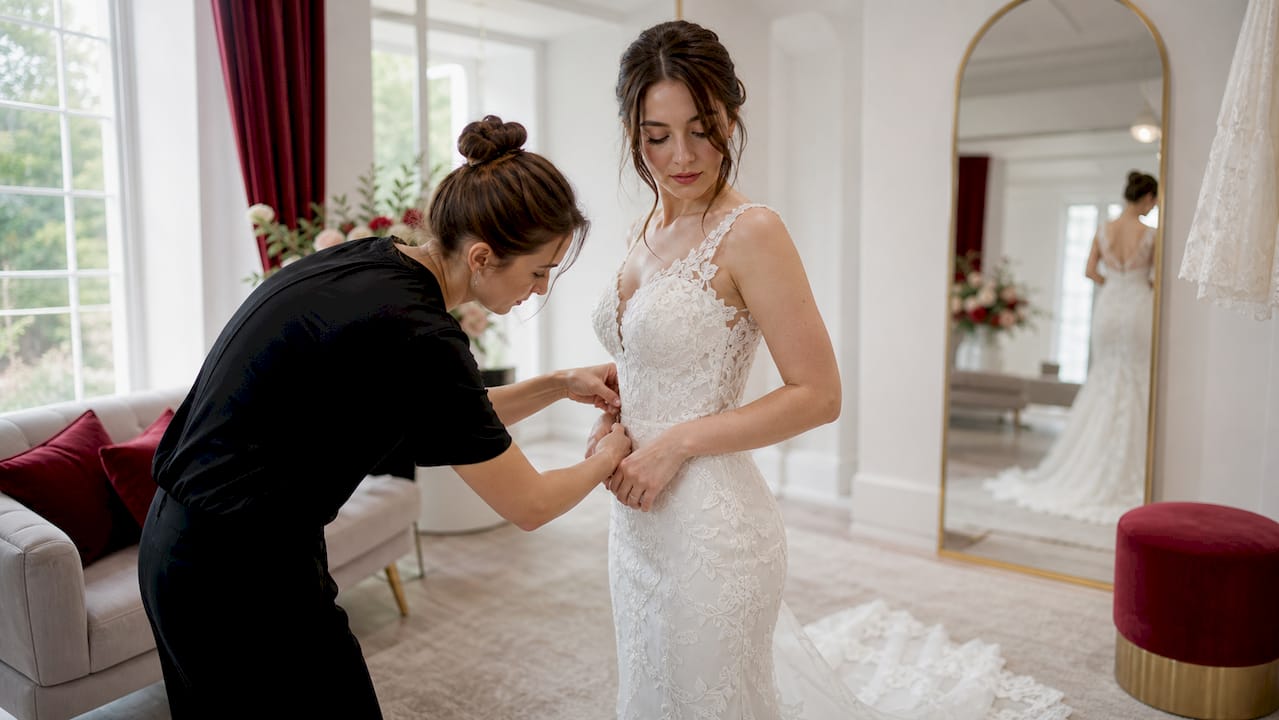
These silhouettes are the most demanding. Fitted fabrics like stretch crepe and satin reflect every seam and panel edge underneath. A seamless mid-thigh bodysuit or a thong-back bodysuit anchors at both the bust and the hip, eliminating the risk of the piece riding up during dancing. For form-fitting gowns specifically, bring your shapewear and heels to every fitting so the seamstress can set the hem at the correct height with all layers in place.
Strapless and corseted bodices
A strapless longline bodysuit is the most stable option because it stays put without shoulder straps. Alternatively, a separate strapless bra paired with a high-waist brief works well when the bodice is already structured. Convertible pieces with removable straps are worth considering because they adapt across multiple dress styles and can be worn again after the wedding.
Low-back and backless gowns
Standard briefs and bodysuits will show above a low back. The practical solutions are a low-back brief (with a waistband that sits below the natural waist), a low-back bodysuit, or adhesive cups for bust support with a low-back thong. Fashion tape and silicone grips help keep adhesive cups secure through a full day of movement.
A-line and ballgown silhouettes
The full skirt on an A-line or ballgown creates natural separation between the body and the fabric, so heavy compression is rarely needed. Light anti-chafe shorts or a smooth slip are usually enough. Focus on comfort here rather than shaping.
Slit hems, jumpsuits, and short styles
A high-cut brief, thong, or single-leg short keeps lines invisible when the dress moves or when you sit. Avoid mid-thigh shorts under a slit, as the leg hem can appear when the fabric parts.
| Feature | Bodysuit | Mid-thigh short | High-waist brief | Low-back brief |
|---|---|---|---|---|
| Coverage | Full torso + lower body | Waist to mid-thigh | Waist to hip | Waist to hip, low back |
| Back visibility | Depends on cut | Low | Standard | Designed for low back |
| Bathroom practicality | Moderate (snap gusset helps) | Easy | Easy | Easy |
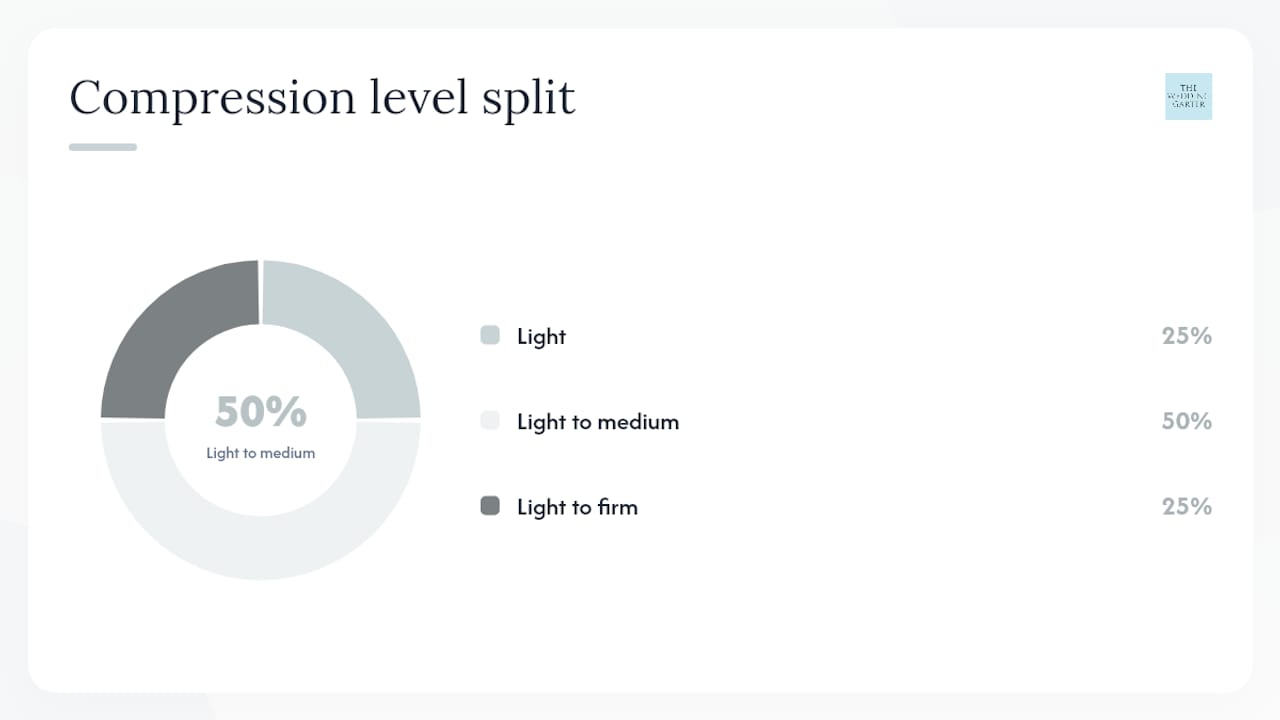
| Compression level | Light to firm | Light to medium | Light to medium | Light |
Pro Tip: Pack a spare pair of your chosen brief or short in your emergency kit. If one rolls or shifts on the day, you have an immediate backup without stress.
What does each shapewear type actually do?
Understanding the functional difference between each piece helps you buy with confidence rather than guessing at the fitting room.
Bodysuits cover from bust to hip in a single piece, which eliminates the gap between a bra and brief where fabric can bunch. The trade-off is bathroom access. Look for a snap gusset or a bodysuit designed to be tucked rather than unclipped.
Mid-thigh shorts smooth the hip, thigh, and lower abdomen without any bust involvement. They are the most bathroom-friendly option and work well under A-line and mermaid styles alike. The leg hem must sit below where the dress fabric clings most tightly, or it creates a visible ridge.
Slips add a layer between the body and the dress fabric, reducing static and preventing sheer panels from clinging. They offer minimal compression but are excellent for chiffon and lace overlays.
Thongs and high-cut briefs solve the visible panty line problem with minimal coverage. They are the lightest option and suit brides who want zero bulk under a fitted skirt.
Corsets and bustiers provide structured waist shaping and bust lift in a single piece. Bridal corsets and bustiers are particularly useful for heavy skirts, where defined waist shaping improves posture and photo presence. They are also a practical choice when the dress has no built-in boning.
Bridal specialists consistently recommend choosing the least complicated piece that remains invisible under the gown. Many dresses need only light smoothing. A seamless finish and raw-cut edges are non-negotiable under satin and crepe, where even a narrow stitched hem will telegraph through the fabric.
When the dress has a structured bodice with built-in boning, separate lower-body shapewear (a brief or short) is often cleaner than a one-piece solution. The bodice handles the bust; the brief handles the hip.
Pro Tip: Hold your shapewear up to a lamp before buying. If you can see the seam stitching as a raised line through the fabric, it will show under satin. Choose a raw-cut or laser-cut edge instead.
Bra and underwear pairings that actually work
Combining separate pieces gives you more flexibility, but the pairing needs to be planned before the fitting, not improvised on the day.
Common pairings:
- Adhesive cups + high-waist brief: best for low-back and backless gowns; no straps, no back band.
- Strapless corset + shaping shorts: structured bust support with smooth hip coverage; suits strapless ballgowns.
- Plunge bra + high-rise thong: works under deep-V necklines where a standard bra cup would show.
- Longline strapless bra + seamless brief: a clean split between bust and lower body for easy bathroom access.
A measuring guide from Marks & Spencer (AU) covers how to measure correctly for bra sizing across different necklines, which is worth reviewing before you order any strapless or plunge piece.
Checking compatibility at fittings:
- Put on the full pairing (bra + brief or bodysuit) before stepping into the dress.
- Check the back band sits below the dress’s back neckline.
- Confirm no strap or hook is visible at the shoulder, side, or back.
- Sit, stand, and raise your arms to check for shifting.
Troubleshooting common problems:
- Slipping straps: use silicone grip strips sewn into the shoulder seam, or switch to a strapless piece entirely.
- Back band showing: move to a low-back brief or adhesive solution.
- Bodysuit unclipping during the reception: practise the snap gusset before the day, or switch to a tuck-style bodysuit.
For bathroom visits, a separate brief or short is the fastest option. If you are wearing a bodysuit, practise unclipping and re-clipping with the dress on before the wedding day.
How to choose the right size and compression level
Use your current measurements and the brand’s own size chart. Do not size down. Sizing down is one of the most common mistakes brides make, and it creates visible bulging at the garment edges rather than a smooth line.
Compression levels:
- Light compression: suits A-line, ballgown, and chiffon styles; comfortable for all-day wear in warm weather.
- Medium compression: suits mermaid, sheath, and fitted styles; balances smoothing with breathability.
- Firm compression: suited to brides who want significant shaping; test for a full day before committing to wearing it at the wedding.
Measurement checklist:
- Measure your bust at the fullest point, keeping the tape parallel to the floor.
- Measure your underbust directly below the bust.
- Measure your natural waist at the narrowest point.
- Measure your hips at the fullest point, usually 20–23 cm below the natural waist.
For fitted gowns, the hip measurement is the most critical. A piece that fits at the waist but gaps or rolls at the hip will show under a mermaid skirt.
What to bring to fittings:
- Your chosen shapewear piece (already washed and worn once).
- Your wedding shoes at the correct heel height.
- A strapless bra option if the dress has a strapless or low-back design.
Shapewear adds a small amount of compression that can affect where the dress sits at the hem. The seamstress needs to see the full picture, including shoes, to set the length correctly.
Pro Tip: Test the anti-slide features before the fitting. Put on the shapewear, walk briskly for five minutes, then check whether the leg hem or waistband has moved. Silicone grip bands and longer leg coverage are the most reliable built-in anchors.
Breaking in your shapewear before the wedding day
Do a full dress rehearsal. Wear your shapewear for a few hours at home, ideally on a day when you are moving around, sitting, and using the bathroom. A 12-hour test is the most reliable way to validate fit, breathability, and bathroom practicality before the wedding.
12-hour test checklist:
- Check for rolling at the waist or leg hem after 30 minutes of movement.
- Sit for at least 20 minutes and confirm no digging or pinching at the waistband.
- Use the bathroom in the piece to confirm the process is manageable.
- Dance or move vigorously for a few minutes to test whether the piece shifts.
- Check breathability: if you feel overheated after an hour, consider a lighter compression option.
- Inspect seam visibility in natural light while wearing the dress over the top.
Emergency kit for the wedding day:
- A spare pair of your chosen brief or short.
- Silicone grip strips and fashion tape.
- Body powder to reduce friction and heat.
- A needle and thread in a matching colour.
- Safety pins and thong snaps for quick fixes.
Quick fixes for common day-of problems:
- Rolling waistband: apply a silicone grip strip to the inside of the waistband before putting it on.
- Sliding straps: switch to a strapless piece or use silicone shoulder pads.
- Visible seam: cover with fashion tape on the inside of the dress fabric.
Feeling comfortable in your shapewear also helps with posing and movement during wedding photos, which is worth thinking about if you have a long shoot planned.
Fabric choices and care in Australian conditions
Australian weddings often mean heat and humidity, particularly for summer and outdoor ceremonies. Heavy compression fabrics trap heat quickly. For warm-weather weddings, prioritise breathable, moisture-wicking fibres such as nylon-spandex blends or microfibre over thick powernet or heavy elastane.
Fabrics to prefer:
- Nylon-spandex blends: lightweight, moisture-wicking, and smooth under satin.
- Microfibre: soft against skin, minimal seam bulk, good for sensitive skin.
- Cotton-blend gussets: important for comfort during long wear.
Fabrics to approach with caution in heat:
- Very heavy powernet: excellent compression but retains heat; better suited to cooler venues or short ceremonies.
- Thick double-layer panels: add warmth that becomes uncomfortable after a few hours outdoors.
Care guidance:
- Hand wash in cool water with a gentle detergent, or use a mesh laundry bag on a delicate machine cycle.
- Never tumble dry. High heat degrades the elastane fibres and the garment loses its shape permanently.
- Store flat or loosely rolled, not folded sharply, to protect the elastic structure.
Bodysuits and corsets with boning or structured panels are generally single-use or low-frequency pieces. Seamless briefs and shorts, by contrast, wash and recover well and can be worn again for honeymoon travel or post-wedding events.
Measurement cheat sheet for ordering bridal shapewear
Use your current measurements every time. Size charts vary between brands, so always cross-reference your measurements against the specific chart for the piece you are ordering.
| Measurement | Where to measure | Most critical for |
|---|---|---|
| Bust | Fullest point, tape parallel to floor | Bodysuits, bustiers, corsets |
| Underbust | Directly below the bust | Strapless bras, longline pieces |
| Natural waist | Narrowest point, usually above the navel | Corsets, high-waist briefs |
| Hips | Fullest point, approx. 20–23 cm below waist | Mermaid, sheath, fitted silhouettes |
The hip measurement is the single most important figure for fitted gowns. If you are between sizes, size up at the hip.
Measurement steps:
- Use a soft tape measure and stand in your underwear, not over clothing.
- Keep the tape snug but not pulled tight.
- Measure each point twice and use the larger figure if the two readings differ.
- Record all four measurements before opening any size chart.
Statistic callout: Bridal specialists consistently note that sizing down in shapewear is the most common fitting mistake, creating visible edge bulging rather than a smooth silhouette. Always buy to your true measurements.
The Wedding Garter’s perspective on bridal shapewear
The most overlooked part of any bridal shapewear guide is the fitting room test. Brides often buy shapewear after the dress alterations are complete, which means the seamstress never sees the full picture. The hem gets set without the shapewear layer, the shoes, or the correct compression. On the day, the dress sits differently, and there is nothing to be done about it.
The second thing that gets missed is fabric compatibility. Satin and stretch crepe are unforgiving. A standard stitched-edge brief that looks fine under jeans will telegraph a clear ridge through a fitted bridal gown in natural light. The fix is simple: seamless or laser-cut edges only under these fabrics. Yet it is still one of the most common issues observed in bridal fitting feedback.
For Australian brides, the climate adds a practical layer that international guides rarely address. A heavy compression bodysuit that works perfectly in a cool European church becomes genuinely uncomfortable after two hours at an outdoor Gold Coast ceremony in February. Medium compression in a breathable nylon-spandex blend is the practical starting point for most Australian summer weddings. Save the firm compression for cooler venues or shorter ceremonies.
The ultimate bridal lingerie buying guide covers timing, sizing, and what to buy when, which is worth reading alongside this guide before your first fitting appointment.
Bridal pieces from The Wedding Garter Australia
Two pieces from The Wedding Garter Australia address the most common shapewear needs discussed in this guide.
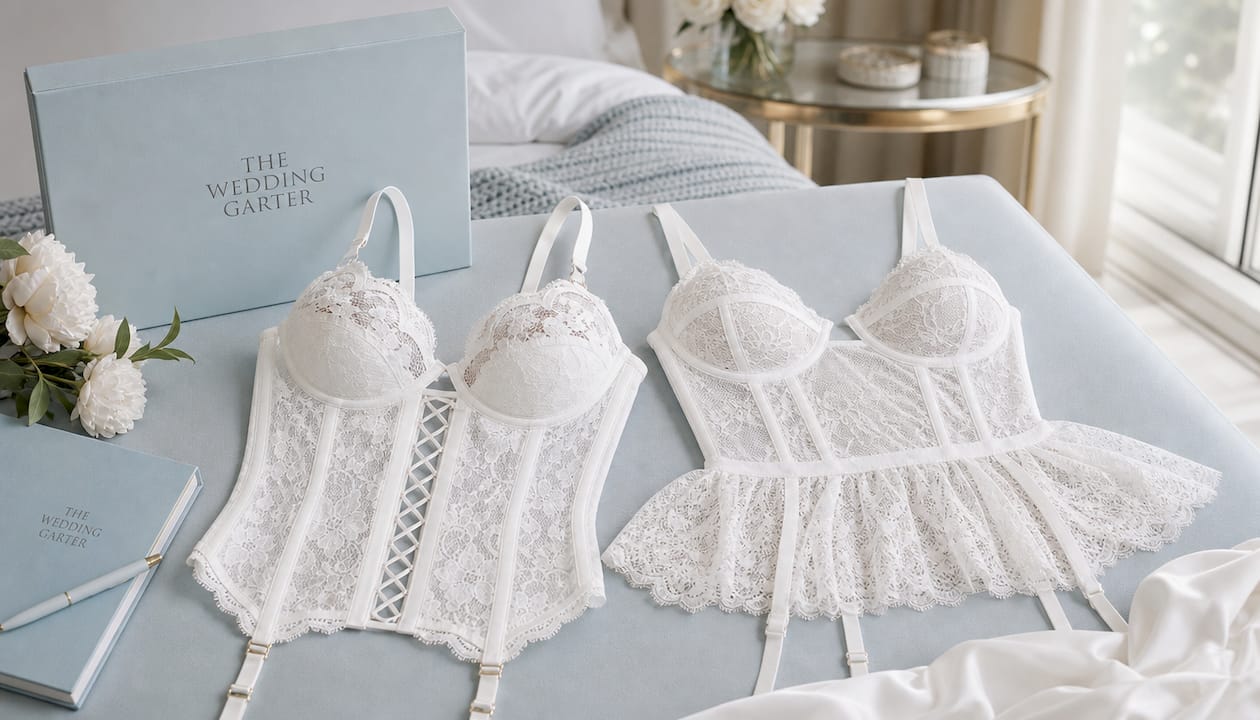
The Romantic Lace Underwire Bridal Bustier provides structured underwire bust support combined with torso shaping in a single piece. It suits strapless, sweetheart, and off-shoulder necklines where the dress bodice needs reinforcement from underneath. Bring it to your fitting so the seamstress can account for its silhouette when setting the bodice and hem.
The Eylelash Lace Luxury Bridal Corset delivers defined waist shaping and posture support, making it a strong choice for heavy-skirted gowns and brides who want a clear waist definition in photos. The structured boning holds its shape across a full day of wear.
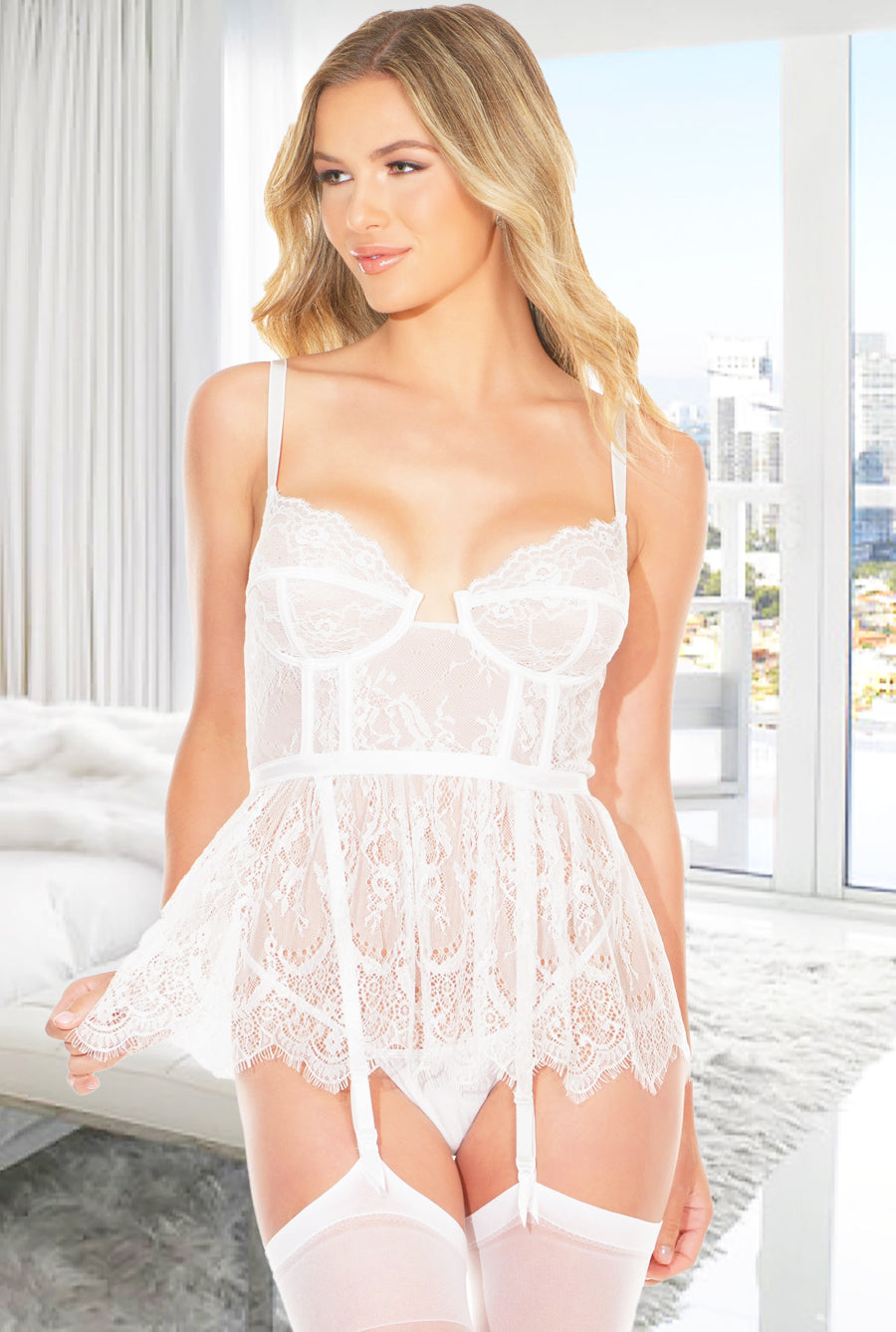
Both pieces are available through The Wedding Garter Australia’s online store. Browse the full range and bring your chosen piece to your next fitting appointment at theweddinggarter.com.au.
Useful sources
- Under the wedding dress: lingerie essentials — The Knot
- Guide to the best bridal shapewear & lingerie — Marks & Spencer (AU)
- What shapewear to wear under a wedding dress? — BeYoungaholic
- The real‑talk guide to wedding shapewear — Bespoke‑Bride
- The best shapewear for your wedding dress — Karen Willis Holmes
- What to wear under a form‑fitting wedding dress: your flawless guide for 2026 — The Wedding Garter
FAQ
Do I need shapewear under my wedding dress?
No. Shapewear is optional and should only be worn if it improves fit, comfort, or the dress silhouette. Many gowns with built-in boning or structured bodices need no additional support.
What shapewear works best under a mermaid gown?
A seamless mid-thigh bodysuit or thong-back bodysuit is the most reliable choice, as it anchors at both the bust and hip and eliminates visible seam lines under fitted fabrics like satin and crepe.
Should I size down in bridal shapewear?
No. Always buy to your true measurements using the brand’s size chart. Sizing down creates visible edge bulging and becomes uncomfortable within a few hours of wear.
When should I buy my bridal shapewear?
Buy after you have chosen your dress but before alterations begin. Bring the shapewear and your wedding shoes to every fitting so the seamstress can set the hem and bodice with the correct layers in place.
What is the best shapewear for a low-back wedding dress?
A low-back brief, low-back bodysuit, or adhesive cups paired with a low-back thong are the practical options. Standard briefs and bodysuits will show above the dress’s back neckline.
Recommended
- What to Wear Under a Form-Fitting Wedding Dress: Your Flawless Guide f – The Wedding Garter
- The Ultimate Guide to Sexy Wedding Lingerie: Choosing Your Dream – The Wedding Garter
- Bridal Lingerie Styles: Your Complete 2026 Guide – The Wedding Garter
- The Ultimate Guide to Choosing Your Plus Size Bridal Lingerie for 2026 – The Wedding Garter


Leave a comment